


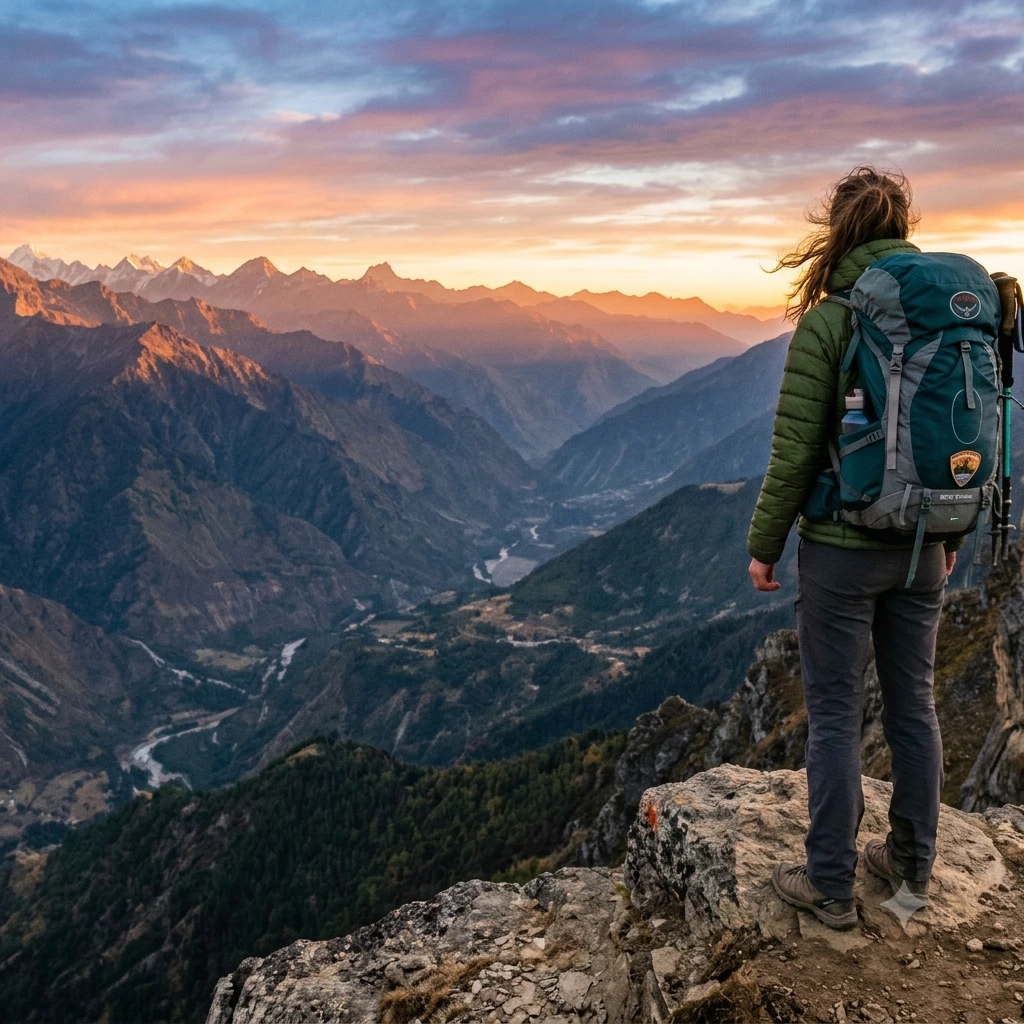
Solo travel is one of the most rewarding and transformative experiences you can have. It offers complete freedom, forces you out of your comfort zone, and connects you more deeply with the world around you. But let’s be real: it can also be intimidating. What if something goes wrong? What if I get lonely? What if I don’t feel safe?
The key to overcoming these fears is preparation. While spontaneity is part of the magic, a smart foundation of safety and logistics ensures that when challenges inevitably arise, you’re ready to handle them.
This guide is your toolkit—compiled from years of solo journeys—to help you navigate the world with confidence and joy. Let’s get you ready for your next adventure.
Part 1: Smart Planning (Before You Go)
The best defense is a great offense, and in solo travel, that starts with smart planning.
1. Research, then Research Some More
Don’t just pick a destination; understand its personality.
- Cultural Context: What is the local dress code? What are the social norms? (Knowing this helps you respect the local culture and avoid unnecessary attention.)
- Neighborhoods: Is there a specific neighborhood known for safety or being traveler-friendly?
- Common Scams: What are the typical tourist traps in this area? Knowing about the “taxi scam” or the “bracelet scam” before you go can save you money and stress.
2. Lock Down Your Arrival Logistics
Arrival is your most vulnerable moment. You’re tired, you have your luggage, and you’re unfamiliar with the language.
- Book Your First Night’s Stay: Never arrive without knowing exactly where you are sleeping.
- Plan Your Airport Transfer: Know how you will get to your hotel before you land. If taking a taxi, use an authorized stand. If taking public transit, have the route mapped out (and downloaded offline).
- Aim for Daylight Arrival: If possible, schedule flights to arrive in the afternoon. Navigating a new city is significantly easier in daylight.
3. Share Your Itinerary (and a Backup)
You must ensure someone back home knows your plans.
- The Details: Share flight numbers, hotel addresses, and your general intended path.
- The Plan B: Establish a “check-in” schedule (e.g., every 48 hours). Give them a clear protocol of what to do if they don’t hear from you.
Part 2: On-the-Ground Safety Hacks
These are the rules I live by to maintain situational awareness and deter common issues.
4. Blend in as Much as Possible
You will never look like a true local, but you can avoid looking like an easy target.
- Dress Appropriately: Follow local customs. In many cultures, covering shoulders or knees is essential.
- Avoid Overly “Traveler” Gear: Limit wearing national flag patches or t-shirts with obvious “I’m a Tourist” logos.
- The Power of Confidence: Walk with a purpose, even if you’re lost. Looking confused makes you a target. If you need to check your phone for maps, step into a shop or hotel lobby to do so.
5. Mastering “Situational Awareness”
This isn’t about paranoia; it’s about observation.
- Stay Present: Avoid wearing noise-canceling headphones when walking, especially at night.
- Trust Your Gut: This is the single most important piece of advice. If a person, street, or situation feels off, remove yourself. You don’t owe anyone an explanation.
- Know Your Location: Periodically glance at your offline map (like Google Maps or Maps.me). Make sure you general path matches where you should be.
6. Managing Money & Documents (The “Divided” Method)
Losing everything is a nightmare. This system minimizes the risk.
- Divided Cash: Carry some cash in your wallet, but keep the bulk hidden elsewhere (a money belt, an inner jacket pocket, or a “burner” wallet with expired cards).
- Divided Cards: Never keep your main credit card and your backup debit card in the same place.
- Digital Backups: Before you leave, photograph your passport, ID, and vaccine card. Save them to a secure cloud-based folder (like Dropbox or Google Drive) that you can access from any device.
Part 3: Connecting and Thriving
Solo travel isn’t just about survival—it’s about joy.
7. Join Small Group Tours
A group tour is the easiest way to break your solitude, especially if you’re feeling lonely. Book a 1-2 day experience (like a street food tour, a museum visit, or a hike). It guarantees social interaction and a local perspective.
8. Use Technology to Make Friends
Apps aren’t just for dating.
- Hostelworld: Their “Chat” feature connects you with people staying in your hostel (or city) before you arrive.
- Couchsurfing/Meetup: Use these to find local events and “hangout” groups (always meet in public places first).
9. Master the Art of the “Solo Meal”
Dining alone is the hardest part for many new solo travelers.
- The Secret Tool: Bring a book or a journal. It gives you something to focus on and signals that you are busy but also open to conversation.
- Use the Bar Counter: Sit at the bar instead of a table. It’s much more social and easier to start conversations with the bartender or fellow diners.
10. Ditch the “Must-See” Mentality
The ultimate solo trick? Realizing you have nothing to prove. If you’re exhausted, it’s okay to spend the afternoon in a café reading a book, or even in your hotel room. The beauty of solo travel is that you set the pace.
Final Thoughts: Empathize with Yourself
Solo travel is a skill. Like any skill, you will get better at it with practice. Remember that you are your own primary protector, provider, and best friend on this journey. Be patient, be prepared, and trust that the world is, for the most part, a kind and open place.
Now, go book that flight. You got this.